Entry · Ref KZCKGFTL
Why Richmond HOA Regulations Require Regular Power Washing
- Posted
- 2026-10-22
- Last amended
- 2026-10-22
- Account
- @jeffreyflgu186
For homeowners living within managed communities across the greater Richmond area, Homeowners Association (HOA) guidelines are a familiar part of daily life. From the historic aesthetics preserved in classic neighborhoods to modern master-planned subdivisions in Short Pump, Midlothian, and Glen Allen, HOAs maintain architectural continuity and protect collective property values. Among the most frequent compliance notices delivered to residents are requirements for exterior surface cleaning. Understanding why Richmond HOA regulations require regular power washing helps homeowners stay ahead of violation notices while preserving the structural integrity and market appeal of their homes.
Understanding Richmond HOA Covenants, Conditions, and Restrictions (CC&Rs)
Every HOA operates under a set of Covenants, Conditions, and Restrictions (CC&Rs). These legally binding documents grant the association the authority to set architectural standards and https://pressurecleaningrichmond.com.au/deck-cleaning/ maintenance rules. In Richmond, CC&Rs routinely include specific clauses regarding exterior maintenance, stipulating that homes must remain free of visible organic growth, dirt, oxidation, and staining.
When an HOA board or property management company conducts routine walkthroughs, inspectors evaluate every visible exterior element. Siding with green algae patches, darkened driveways, or rooflines streaked with black discoloration immediately trigger compliance notices. HOAs prioritize these requirements because exterior deterioration is progressive; surface neglect quickly leads to material decay, dragging down comparative neighborhood property values.
The Richmond Climate Factor: Why Organic Growth Thrives Locally
Richmond's unique climate plays a significant role in how HOA policies are written and enforced. Situated in a humid subtropical transition zone, Richmond experiences hot, humid summers, damp springs, and moderate winters. These conditions create an ideal breeding ground for microscopic organisms that colonize residential exterior surfaces.
The James River basin and surrounding dense tree cover contribute to elevated humidity levels throughout the year. Airborne spores of green algae, mold, mildew, and lichen easily settle on shaded siding, brick facades, and concrete surfaces. Furthermore, Richmond's heavy spring pollen season deposits thick layers of organic material across homes. When combined with humidity, this organic film becomes a food source for fungal growth. Without routine exterior maintenance, homes can develop noticeable discoloration in a matter of months, prompting swift HOA intervention.
Key Exterior Cleaning Focus Areas for Richmond HOAs
HOA architectural review boards generally do not issue blanket citations without identifying specific violations. In Richmond, exterior maintenance enforcement primarily focuses on three critical zones: siding, hardscapes, and roofing systems.
1. Siding and Exterior Walls: The Necessity of House Washing
Siding is often the most scrutinized component of any home within an HOA. Whether a property features vinyl siding, fiber cement (such as Hardie board), stucco, or traditional Virginia red brick, organic spores accumulate quickly, particularly on northern and shaded exposures. HOAs mandate regular house washing to eliminate unsightly green and black patches before they cause permanent staining or material degradation.
Modern professional standards emphasize soft washing techniques rather than blasting surfaces with unmoderated high pressure. Soft washing combines specialized, eco-conscious cleansing agents with low-pressure rinsing, sanitizing siding down to the spore level without voiding manufacturer warranties or loosening exterior panels.
2. Driveways and Walkways: Precision Driveway Cleaning
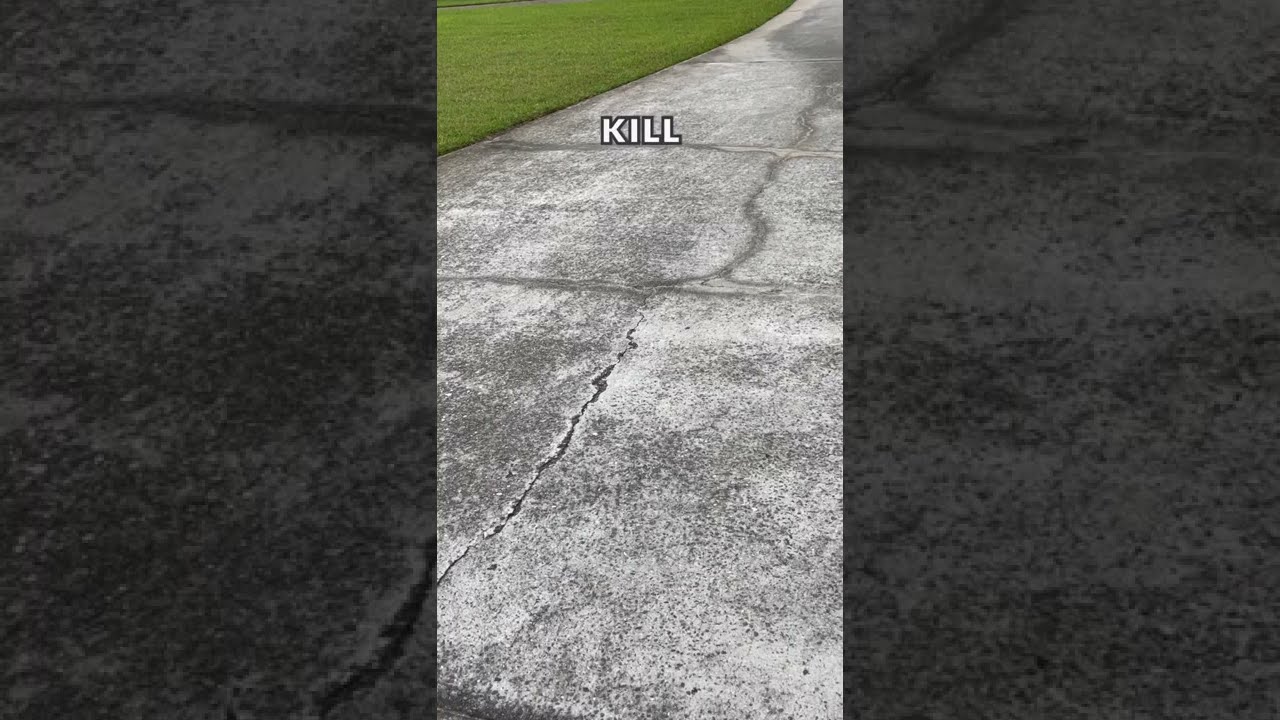
Driveways, sidewalks, and entry walkways represent significant portions of a home's curb appeal. Concrete and paver surfaces are porous, meaning they absorb automotive fluids, fertilizer overspray, rust, and moisture. Over time, unchecked moisture leads to dark, slippery films of mildew and algae.
HOA regulations frequently mandate professional driveway cleaning because surface contaminants create both visual blight and genuine safety hazards. A clean, uniform driveway brightens the entire property frontage. Professional surface cleaners utilize rotating spray bars that deliver consistent pressure washing without leaving uneven swirl marks or stripping the concrete's top layer of cream.
3. Roofing Systems: Specialized Roof Cleaning
One of the most concerning visual violations flagged by Richmond HOAs is the emergence of dark vertical streaks on asphalt shingle roofs. Many homeowners assume these streaks are dirt or soot, but they are actually colonies of Gloeocapsa magma, a hardy blue-green alga that feeds on the limestone filler used in modern shingles.
HOAs mandate thorough roof cleaning to protect neighborhood uniformity. Left unaddressed, these organisms trap heat, accelerate granule loss, and significantly shorten the lifespan of the roof. It is critical to note that high-pressure blasting should never be applied to asphalt shingles; industry-approved soft washing protocols must be used to eliminate the algae safely without stripping roofing granules or triggering water intrusion.
The HOA Enforcement Process and Potential Penalties
Richmond HOAs maintain structured enforcement procedures to ensure compliance across the community. Ignoring an exterior cleaning notice rarely results in the issue fading away; instead, it escalates along a defined administrative timeline.
- Courtesy Reminder Notice: An initial letter or digital notification informing the homeowner of observed organic growth, dirt, or staining, typically providing a 14- to 30-day compliance window.
- Formal Notice of Violation: Issued if the initial deadline passes without remediation, outlining potential fines and scheduling a hearing before the HOA board or covenants committee.
- Assessment of Monetary Fines: Under Virginia property owners' association statutes, boards may levy recurring daily or per-incident fines until the violation is resolved.
- Self-Help Remedies or Legal Action: In severe cases, CC&Rs may permit the association to hire an exterior cleaning contractor to perform the work at the homeowner's expense or initiate legal action to compel compliance.
Community Value and Structural Benefits of Regular Maintenance
While an HOA notice may feel like an administrative burden, regular pressure washing offers substantial financial and functional advantages to homeowners. Clean communities consistently command higher real estate values. Appraisers and prospective buyers evaluate neighboring homes when assessing value; uniform exterior cleanliness ensures that no individual home diminishes the broader market perception of the street.

Beyond curb appeal, routine power washing preserves building materials. Algae, moss, and mildew are active organisms that retain moisture against building materials. On painted wood, brick mortar, and composite materials, prolonged moisture retention accelerates rot, cracks, and structural decay. By scheduling regular surface cleaning, homeowners proactively prevent costly repairs that far exceed the price of periodic maintenance.

DIY vs. Professional Pressure Washing: What HOAs Expect
Many homeowners consider renting or purchasing a consumer-grade pressure washer to address an HOA citation. While DIY washing is an option for minor touch-ups, it presents significant risks when attempting comprehensive house or driveway maintenance.
Consumer pressure wands can easily gouge soft concrete, etch permanent striping into driveways, force water behind vinyl siding laps, or shred window screens. Furthermore, pressure alone only washes away surface-level organisms without neutralizing the root structure, meaning algae often returns within months. Professional exterior cleaning services utilize commercial-grade equipment and biodegradable sanitizers to ensure a uniform, long-lasting result that satisfies strict HOA compliance standards on the first attempt.
Recommended Annual Exterior Maintenance Schedule
Staying ahead of HOA violation notices requires a planned approach rather than waiting for an enforcement letter. For Richmond properties, establishing a consistent seasonal maintenance calendar ensures complete compliance throughout the year.
- Early Spring (March – April): Clear away winter road grime, salt residue, and early-season tree debris with targeted flat surface washing and gutter cleanouts.
- Late Spring (May – June): Schedule comprehensive house washing following the heavy Virginia pine and oak pollen season to eliminate sticky yellow deposits and early mold blooms.
- Late Summer to Early Autumn (August – October): Inspect northern-facing walls and shingle surfaces for algae growth fostered by summer humidity, scheduling necessary roof cleaning before winter.
- Mid-Winter (November – January): Monitor concrete flatwork and patios for mold slickness to maintain safe pedestrian pathways during wet, freezing months.
Maintaining HOA Compliance in 2026 and Beyond
As Richmond neighborhoods continue to mature through 2026, HOA boards are deploying more efficient monitoring methods, including digital architectural inspections, to uphold community guidelines. Homeowners who integrate routine exterior cleaning into their annual home maintenance budget avoid administrative fines, preserve their building materials, and contribute to an attractive, cohesive neighborhood environment. By employing proper soft wash and high-pressure methods tailored to each surface, Richmond property owners can satisfy HOA mandates effortlessly while safeguarding their single largest investment.
Richmond Pressure Cleaning
Unit 2/420 Church St, Richmond VIC 3121
ph. (03) 4231 7213